Understanding botanical sources and dietary principles for midlife and mature years in urban environments
Educational content only. No promises of outcomes.
Men's nutritional needs and body composition shift around age 40. Understanding these changes and how plant-based nutrition supports general wellness in this phase is foundational to informed dietary choices.
Metabolism typically slows slightly with age, affecting caloric needs and energy utilization. Nutrient density becomes more important as absolute food intake may decrease while micronutrient requirements remain stable.
Absorption efficiency for certain minerals and vitamins can decrease with age. Diverse plant sources, prepared in various ways, support adequate micronutrient intake despite potential absorption changes.
Preservation of muscle mass becomes increasingly important. Adequate protein and micronutrients support muscle tissue. Plant-based proteins and nutrients from diverse botanical sources contribute to this foundation.
Important minerals and compounds available in urban plant sources
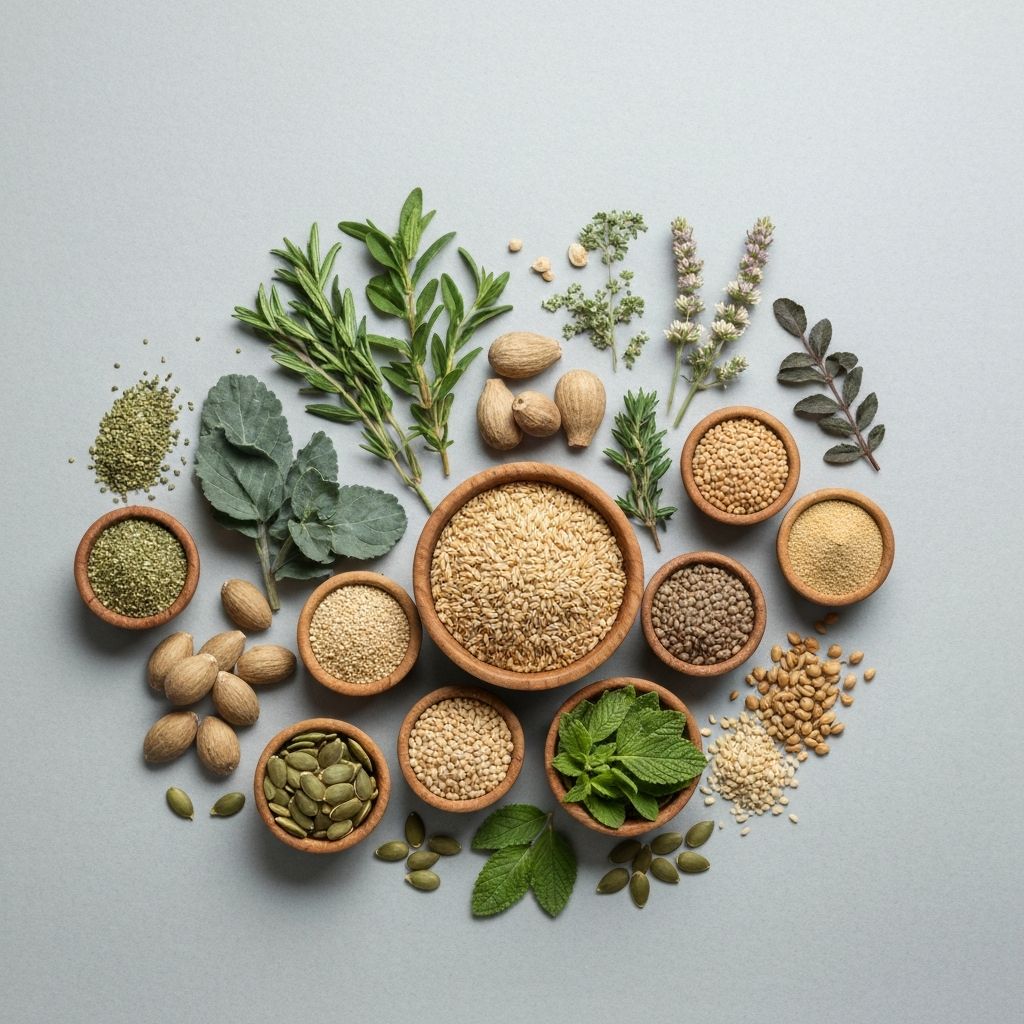
Found in seeds, legumes, and whole grains. Zinc supports immune function and general cellular processes. Men's requirements remain consistent across ages, but intake adequacy is important in midlife and beyond.
Abundant in leafy greens, nuts, seeds, and whole grains. Magnesium supports muscle function, energy production, and bone health. Daily intake from diverse plant sources supports general wellness.
Present in grains, nuts, and mushrooms. Selenium functions in antioxidant systems and thyroid health. Small amounts from diverse plant sources meet requirements.
Found in berries, leafy greens, herbs, and other plants. These compounds have been studied for their antioxidant properties. Dietary variety ensures polyphenol exposure.
Aligning consumption with seasonal availability in German urban environments provides naturally diverse intake throughout the year. Spring greens, summer berries, fall roots, and winter storage crops create natural variation.
Farmers' markets, ethnic grocery stores, and specialty suppliers in urban centers provide diverse botanical options beyond conventional supermarkets. Regular exploration of these sources expands dietary variety.
Container gardens on balconies and windowsills extend botanical access and provide fresh herbs year-round. Even minimal space accommodates nutrient-rich herbs and vegetables.
Traditional herbal use in German and European cultures reflects centuries of botanical knowledge integration into everyday practice. While modern nutritional science explores mechanisms, historical context provides perspective on plant-based nutrition as established practice.
Traditional preparation methods extract compounds from herbs. Teas made from nettles, sage, or ginger represent historical practices supported by modern understanding of plant compounds and bioavailability.
Herbs used in cooking—parsley, oregano, thyme, rosemary—contribute both flavor and nutrient content. Daily culinary use provides consistent, integrated plant compound intake without requiring supplements or special preparations.
Traditional drying and preservation of summer and autumn herbs extends their availability through winter. This practice maintains botanical intake and represents efficient resource use aligned with seasonal cycles.
Understanding Age-Appropriate Nutrition: Men 40 and older benefit from understanding how nutritional needs evolve. This includes awareness of changing metabolism, potential absorption changes, and the importance of consistent nutrient intake through whole foods.
Prevention Through Nutrition: While nutrition does not prevent disease, comprehensive dietary patterns support general resilience and health maintenance. Regular consumption of diverse plant sources contributes to foundational nutritional status.
Quality of Life: Maintaining muscle mass, bone health, cognitive function, and energy levels are quality-of-life considerations in midlife and beyond. Plant-based nutrition supports these aspects through provision of necessary micronutrients and bioactive compounds.
Individualized Approaches: No single dietary approach suits everyone. Personal health status, preferences, access, and life circumstances shape appropriate nutritional strategies. Professional guidance from nutritionists or healthcare providers supports individualized decisions.
Important Reminder: This page provides educational information only. It does not constitute medical advice or health recommendations. Men with existing health conditions, those taking medications, or with nutritional concerns should consult qualified healthcare professionals or registered dietitians before making significant dietary changes.