Exploring natural botanical compounds and accessible plants supporting everyday nutritional understanding in the city
Educational content only. No promises of outcomes.
In the modern urban environment, access to diverse plant-based nutrients has become more important yet sometimes more challenging. This educational resource explores how readily available plants and herbs can be integrated into daily nutrition, with particular focus on understanding their composition and role in a balanced diet.
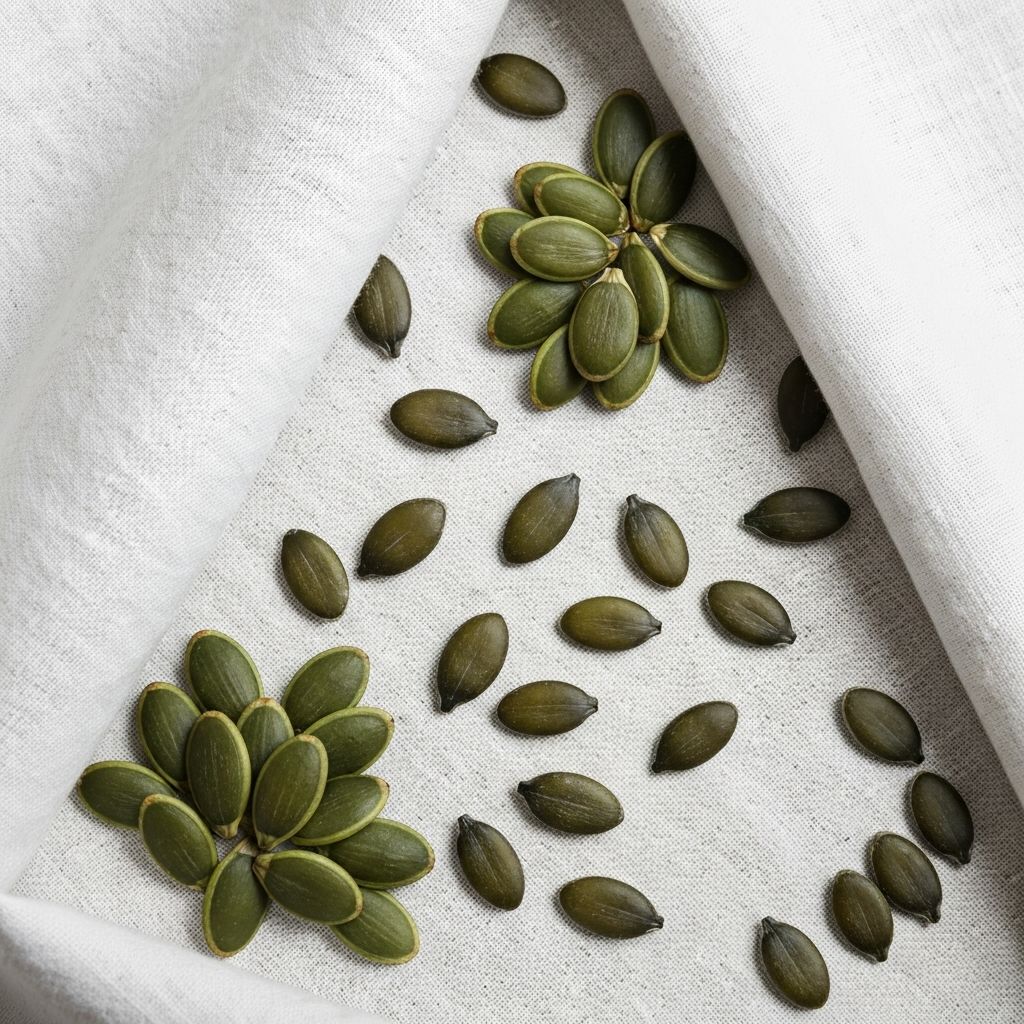
Many essential minerals can be sourced from plants that thrive in urban settings. Zinc, magnesium, and selenium are found in seeds, leafy greens, and whole grains commonly available in city markets and balcony gardens.
Understanding where these nutrients come from helps in building a more informed approach to daily nutrition. Plants cultivated in urban environments can provide meaningful quantities of these compounds when consumed as part of a varied diet.
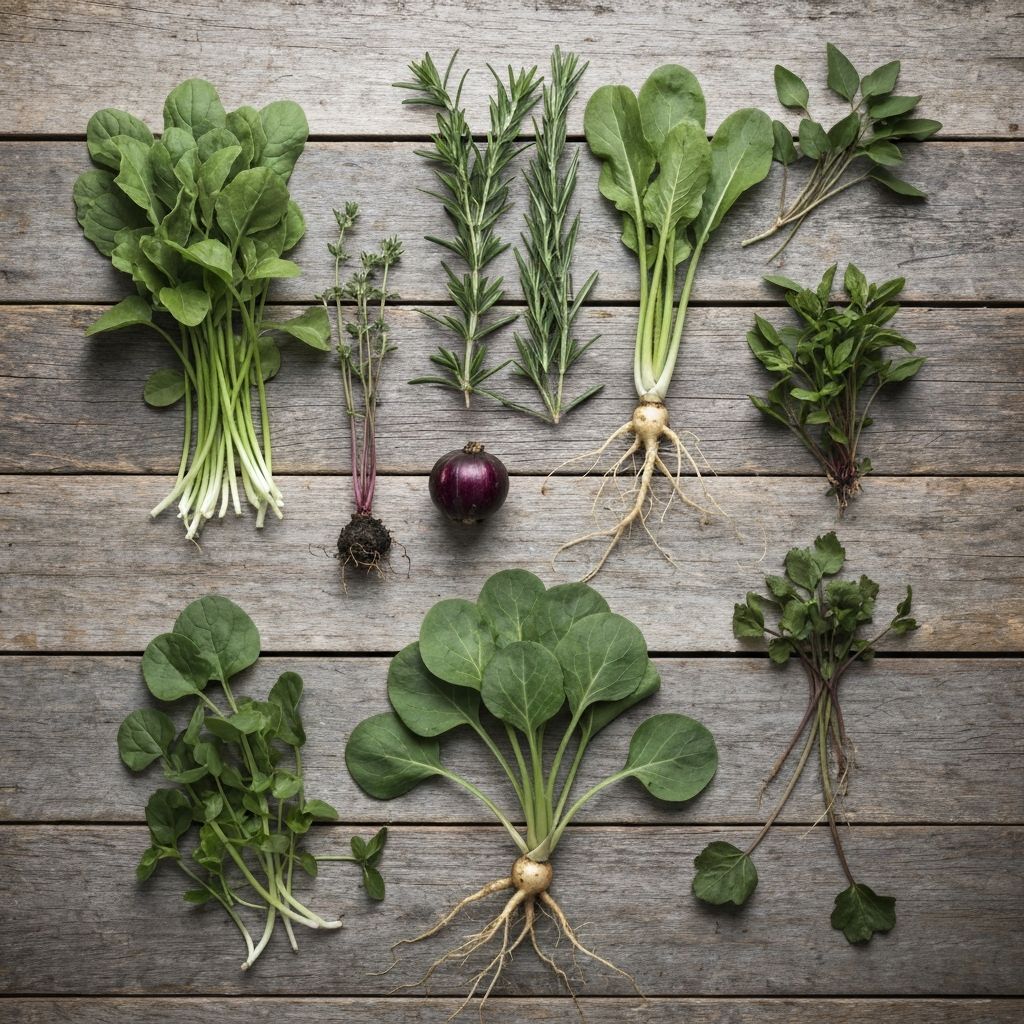
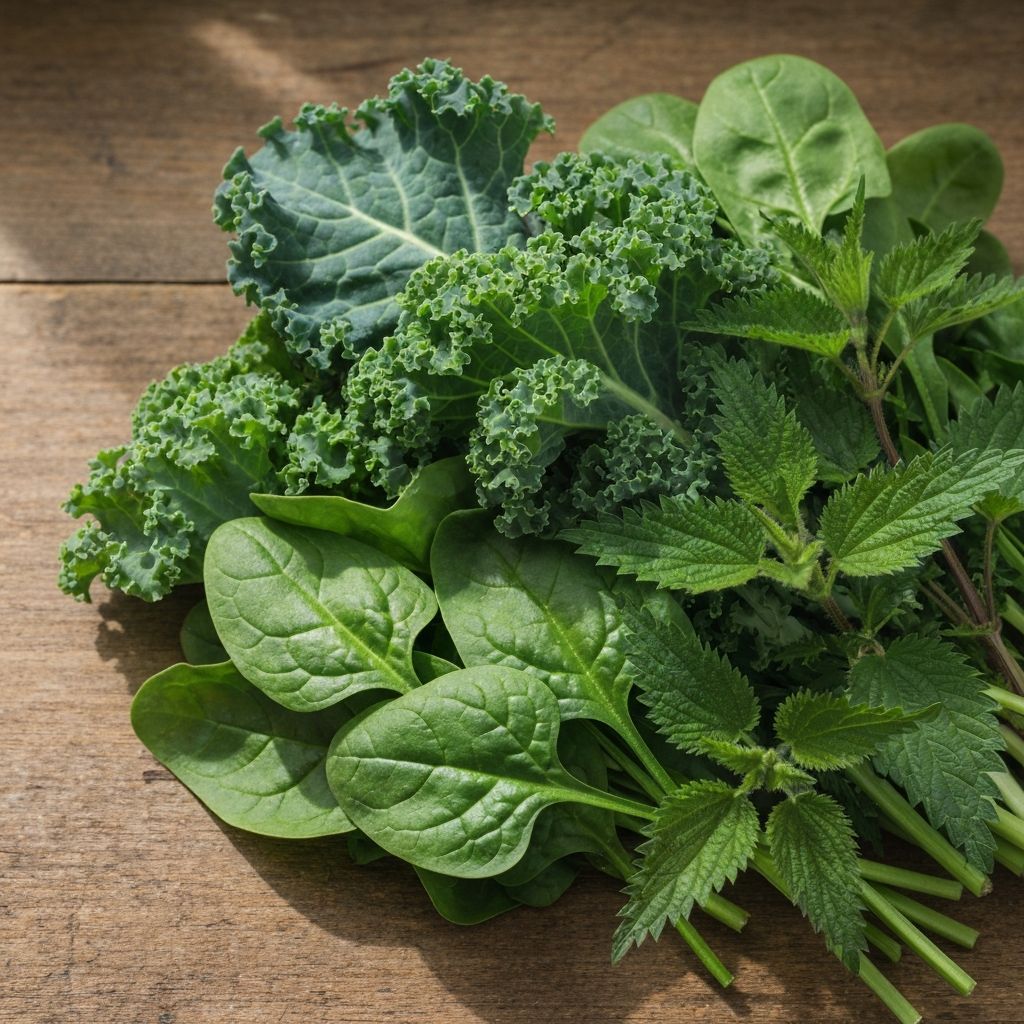
Magnesium-rich plants such as leafy greens, spinach, and nettles are accessible in urban environments. These can be grown on balconies or purchased fresh from local markets, contributing to mineral intake through everyday dietary choices.
The role of magnesium in general nutrition and everyday bodily functions has been well-documented in nutritional science. Including diverse leafy sources supports nutritional variety.
Natural herbs and their known compositional elements
| Herb / Plant | Known Components | General Information | Urban Growing |
|---|---|---|---|
| Ginseng | Ginsenosides, polysaccharides | Studied in traditional medicine for general wellness support | Container cultivation possible |
| Nettle | Minerals, silica, polyphenols | Rich in micronutrients; used historically in European cuisine | Highly adaptable to city environments |
| Rosehip | Vitamin C, polyphenols, lycopene | Traditional European herbal knowledge; nutrient-dense fruit | Can be grown in urban gardens |
| Turmeric Root | Curcuminoids, essential oils | Active compound studied for anti-inflammatory properties | Requires specific conditions; mostly purchased |
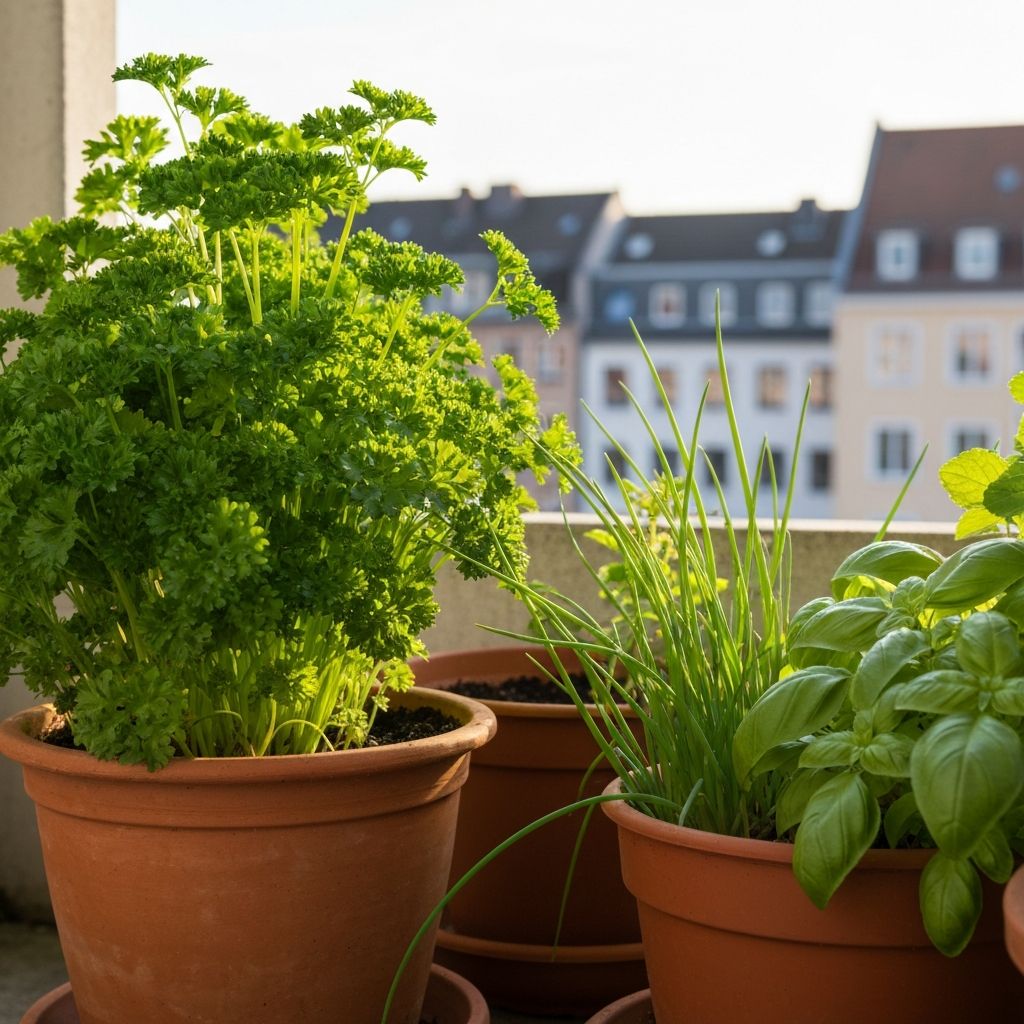
| Parsley | Vitamins K, C; minerals | Culinary herb with notable nutrient profile | Easily grown in pots or windowsills |
| Sage | Polyphenols, flavonoids, essential oils | Long history in European traditional preparation | Drought-tolerant, ideal for urban balconies |
Polyphenols are naturally occurring compounds found in many plants, particularly in berries, leafy greens, and herbs. These compounds have been the subject of extensive research regarding their role in general nutrition.
In urban settings, access to polyphenol-rich foods through local markets, farmers' cooperatives, and even home gardens has expanded significantly. Understanding the diversity of these naturally-available sources supports informed dietary choices.
Plant availability throughout the year in German urban environments
Early greens, fresh shoots, and young herbs emerge. Nettles, parsley, chives, and early perennial herbs become available for harvesting. Urban gardens and balconies become active growing spaces as temperatures moderate.
Peak growing period for most culinary herbs and vegetables. Urban gardeners harvest basil, oregano, thyme, and other Mediterranean herbs flourishing in city conditions. Berry availability increases through farmers' markets.
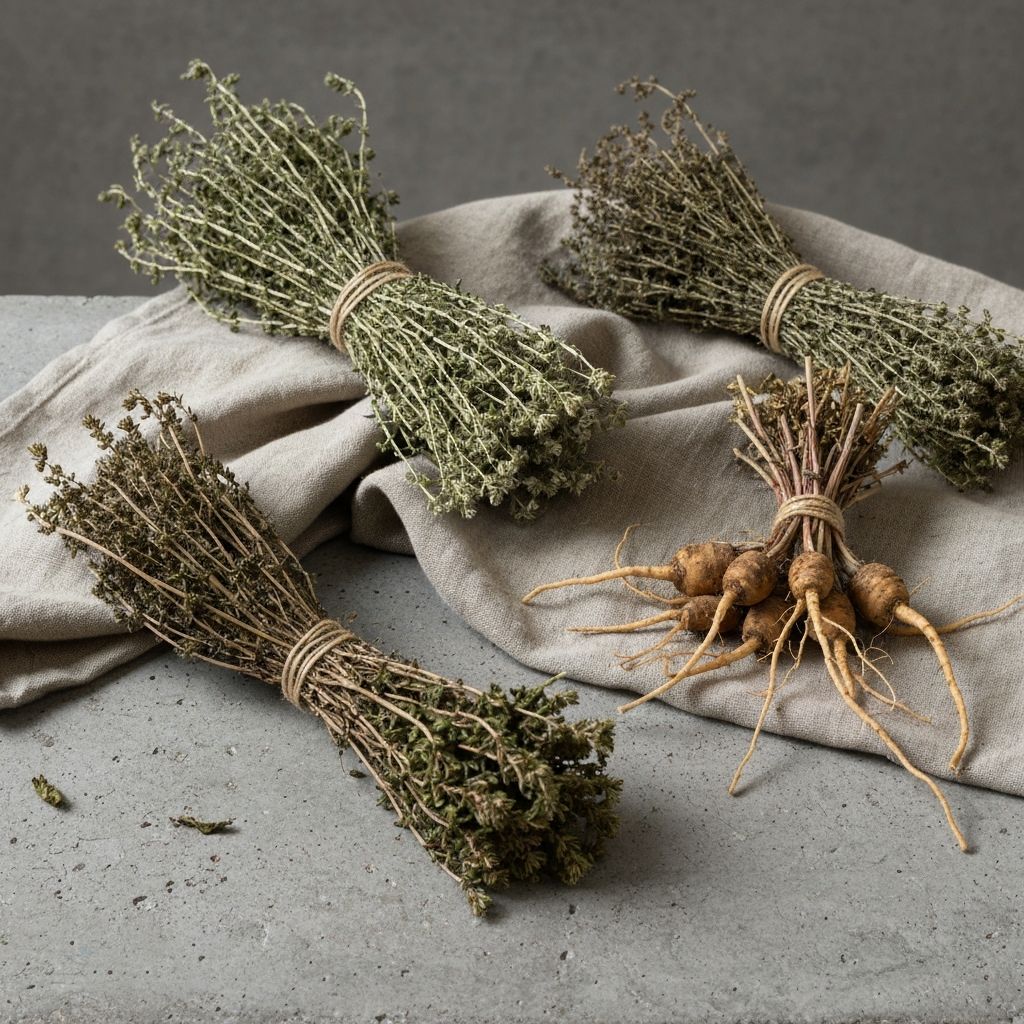
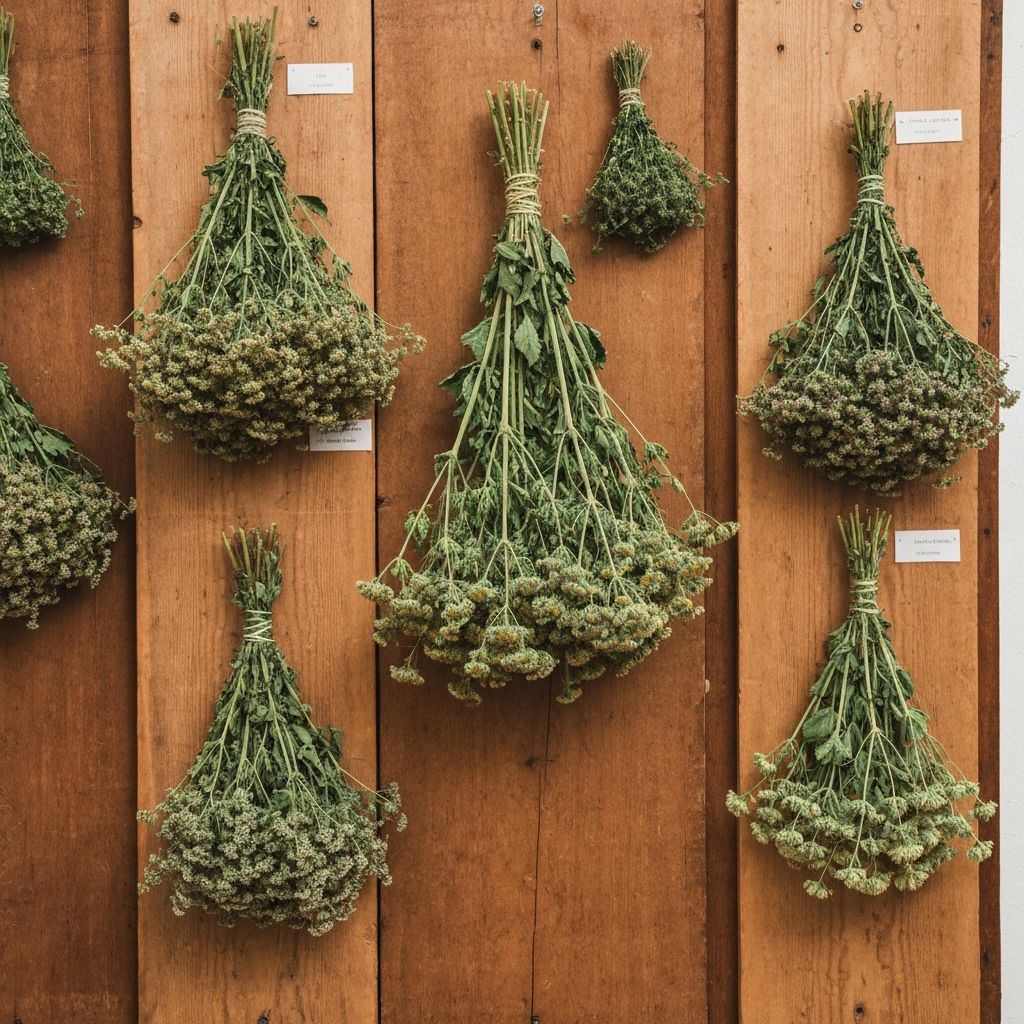
Transition to harvesting and drying herbs for winter storage. Root vegetables and hardy greens persist. Dried herb preparations become part of seasonal routine. Urban markets feature preserved seasonal botanicals.
Factors influencing how nutrients are absorbed and utilized in everyday nutrition
Dietary Diversity: Consuming a variety of plant sources provides different nutrient profiles and compounds. No single plant contains all necessary nutrients; diversity ensures broader micronutrient intake.
Preparation Methods: How plants are prepared—fresh, cooked, dried, or infused—affects nutrient availability. Some compounds become more bioavailable with cooking, while others are best consumed raw.
Synergistic Effects: Different compounds in plants often work together. Vitamin C enhances iron absorption; fat-soluble vitamins require dietary fat for absorption. This is why varied, balanced meals are foundational to nutritional understanding.
Individual Factors: Age, digestive health, and overall nutritional status influence how nutrients are utilized. This underscores the importance of individualized, informed dietary choices rather than universal prescriptions.
Germany has a rich tradition of herbal knowledge spanning centuries. Urban gardens, particularly in cities like Berlin, have maintained botanical growing practices alongside modern urban development.
Traditional German herbal preparation—including tea blends, dried collections, and culinary uses—represents practical nutritional wisdom passed through generations. This historical context informs contemporary understanding of plant nutrition in urban European settings.
Understanding available scientific literature on plant compounds and nutrition
Phytochemistry: The scientific study of plant compounds helps explain why different botanical sources have distinct nutrient profiles. This field documents compositional elements in commonly consumed plants.
Bioavailability Studies: Research explores how different preparation and consumption methods affect nutrient absorption. These studies inform practical nutritional understanding.
Epidemiological Research: Population-level studies examine dietary patterns and nutritional outcomes, providing context for understanding plant-based nutrition at scale.
Traditional Knowledge Review: Systematic reviews of historical herbal practices validate many traditional uses and document their scientific basis where evidence exists.
Even in urban environments with apparent limitations, dietary diversity remains achievable and essential. Different plants provide different micronutrient profiles; rotation and variation ensure comprehensive nutritional intake.
Urban food systems—including farmers' markets, international specialty stores, and home cultivation—provide access to a broader botanical range than previous generations. Leveraging this diversity supports better nutritional outcomes.
A diet incorporating multiple plant families, colors, and preparations ensures exposure to varied phytochemicals and micronutrients. This diversity principle applies regardless of geographic or urban setting.
Nutritional requirements and absorption patterns evolve with age. Men 40 and older may benefit from particular attention to mineral intake, digestive efficiency, and dietary composition—all factors supported by plant-based nutrition understanding.
General nutritional science indicates that mineral absorption, caloric needs, and protein requirements shift in midlife. Accessing diverse urban botanical sources supports meeting these evolving nutritional patterns through informed dietary choices.
The urban context provides both challenges and opportunities: while convenience foods are ubiquitous, modern cities also offer unprecedented access to diverse, nutritious plant sources through markets, delivery systems, and home cultivation options.
This educational resource draws on peer-reviewed nutritional science, botanical databases, and traditional knowledge. Readers are encouraged to explore original research and academic sources for deeper understanding.
Key research areas include phytochemistry journals, nutritional epidemiology databases, and open-access botanical repositories. German language resources and international publications provide comprehensive coverage of urban plant nutrition topics.